


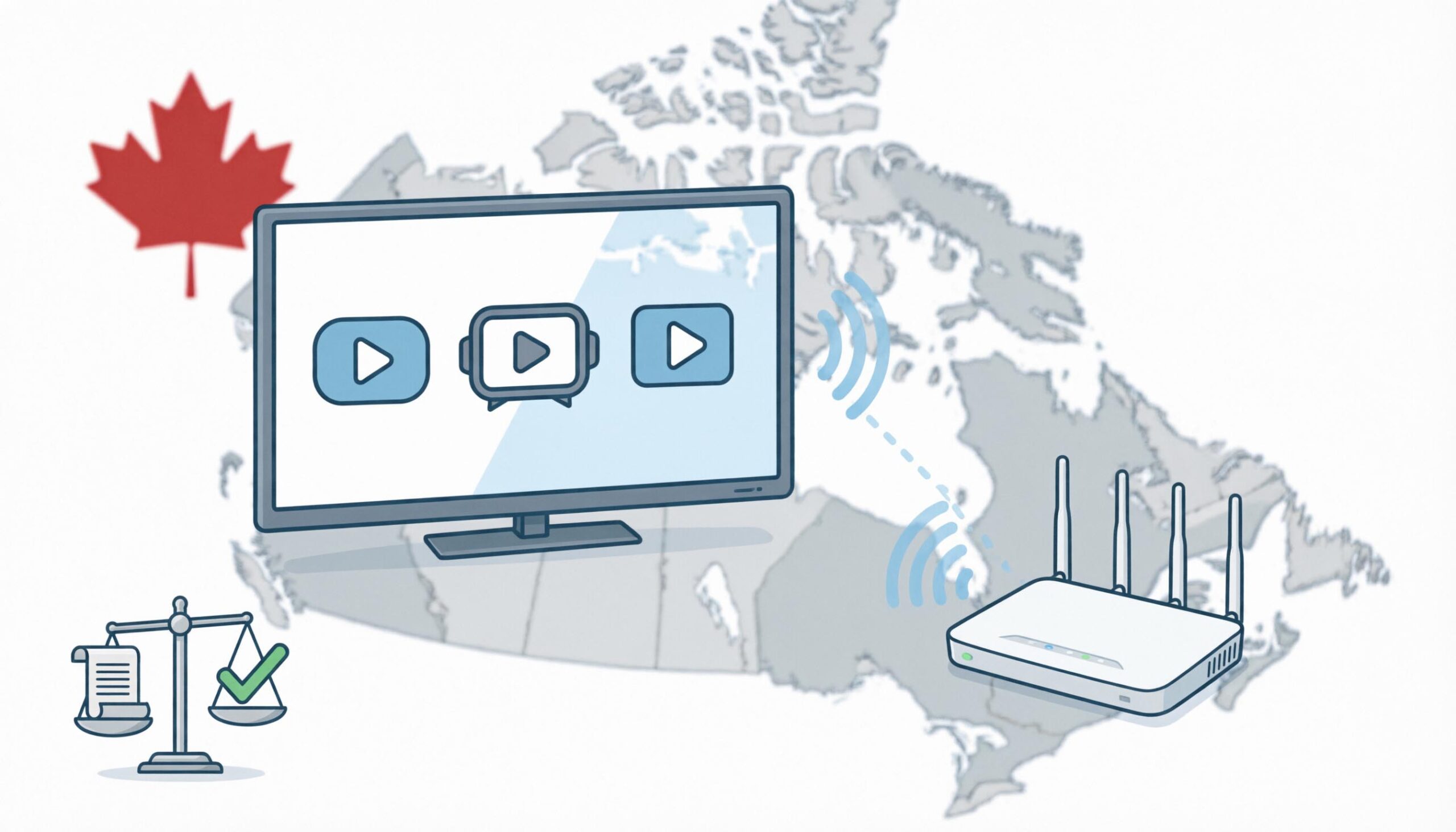
Television viewing has undergone a significant transformation with the advent of Internet Protocol Television (IPTV). Unlike traditional television broadcasting, which relies on satellite or cable signals, IPTV delivers content over the internet. This shift has enabled a more personalized and flexible viewing experience, allowing users to access a wide range of channels and on-demand content.
IPTV’s functionality is rooted in its ability to stream media content via internet protocols. This technology supports high-definition video quality and interactive features, enhancing the overall viewer experience. As a result, IPTV has become an attractive alternative to conventional TV services.
Key Takeaways
- IPTV delivers television content over the internet.
- It offers a more personalized viewing experience.
- IPTV supports high-definition video quality.
- The technology enables interactive features.
- It is an alternative to traditional TV broadcasting methods.
What Is IPTV and How Does It Differ From Traditional TV
IPTV represents a significant shift in how television content is delivered and consumed in Canada. Unlike traditional television services, IPTV uses the internet to stream content, offering a more flexible and personalized viewing experience.
Definition and Basic Concept of IPTV
IPTV, or Internet Protocol Television, is a service that delivers television content over the internet. This allows users to stream their favorite shows and movies on demand, rather than adhering to a traditional broadcast schedule. The basic concept revolves around using internet protocol to deliver TV content, making it accessible on various devices with an internet connection.
IPTV vs. Cable and Satellite Television
Traditional TV services like cable and satellite television have been the norm for decades. However, IPTV differs significantly from these services. While cable and satellite TV rely on physical infrastructure and broadcast signals, IPTV streams content directly over the internet. This difference offers several advantages, including greater flexibility, on-demand content, and potentially lower costs.
| Feature | IPTV | Cable/Satellite TV |
| Content Delivery | Internet-based | Physical infrastructure/broadcast signals |
| On-Demand Content | Available | Limited |
| Device Compatibility | Multiple devices supported | Limited to TV or specific devices |
Popular IPTV Services in Canada
Several IPTV services have gained popularity in Canada, offering a range of channels and on-demand content. Some of the notable services include FuboTV, known for its sports offerings, and Amazon Prime Video, which provides a vast library of on-demand content. These services cater to diverse viewer preferences, making IPTV an attractive option for Canadians.
The Technical Framework of How IPTV Works
The functionality of IPTV is rooted in a complex interplay of technological elements that work in harmony to deliver high-quality video content to users. Understanding these technical aspects is crucial for appreciating how IPTV differs from traditional television broadcasting.
Internet Protocol Fundamentals in IPTV
IPTV relies heavily on Internet Protocol (IP) to deliver content. IP allows for the efficient transmission of data packets across the internet, ensuring that video content reaches the user’s device without significant loss or corruption. The use of IP enables IPTV providers to offer a range of services, including live TV, video on demand, and time-shifted media.
The IP multicast technology is particularly important for live TV broadcasting, as it allows a single stream of content to be sent to multiple users simultaneously, reducing bandwidth usage and improving overall network efficiency.
Video Compression and Streaming Technologies
To ensure smooth video playback, IPTV services employ advanced video compression technologies like H.264 and H.265. These codecs reduce the size of video files, making them easier to stream over the internet without compromising on quality.
Streaming technologies, including adaptive bitrate streaming, further enhance the viewing experience by adjusting the video quality in real-time based on the user’s internet connection speed.
Content Delivery Networks (CDNs)
Content Delivery Networks (CDNs) play a critical role in the IPTV ecosystem by caching content at multiple locations across the internet. This strategic caching reduces latency and improves video playback quality by minimizing the distance between the user and the content.
How CDNs Optimize IPTV Performance
CDNs optimize IPTV performance by distributing content across multiple servers, ensuring that users can access their desired content quickly and reliably. This distribution also helps in managing network congestion and reducing the load on individual servers.
CDN Infrastructure in Canada
In Canada, CDN infrastructure is well-developed, with major providers having established a robust network of servers across the country. This infrastructure supports the growing demand for IPTV services, ensuring that Canadian users have access to high-quality streaming.
| CDN Provider | Server Locations in Canada | IPTV Support |
| Akamai | Toronto, Montreal, Vancouver | Yes |
| Limelight Networks | Toronto, Montreal | Yes |
| Verizon Digital Media Services | Vancouver, Calgary | Yes |
IPTV Service Types and Delivery Methods
IPTV technology supports multiple service types, enhancing viewer experience. This versatility is one of the key advantages of IPTV over traditional television services.
Live Television Broadcasting Over IP
Live television broadcasting over IP networks allows users to watch their favorite channels in real-time, just like traditional TV. This service is particularly useful for events that are broadcast live, such as sports and news.
Key benefits include:
- Real-time broadcasting
- Wide range of channels available
- Interactive features like pause and rewind
Video on Demand (VOD) Services
Video on Demand services enable users to select and watch content at their convenience. VOD libraries offer a vast array of movies, TV shows, and documentaries.
The advantages of VOD include:
- Personalized viewing experience
- Access to a vast content library
- Ability to start, pause, and resume content at will
Time-Shifted Media and Catch-Up TV
Time-shifted media and catch-up TV services allow viewers to watch previously aired content at a later time. This is particularly useful for programs that were missed during their initial broadcast.
Features of time-shifted media include:
- Catch-up TV for missed programs
- Start-over capability for live TV
- Recording capabilities for future viewing
In conclusion, IPTV’s diverse service types and delivery methods cater to various viewer preferences, making it a flexible and convenient option for television entertainment.
Setting Up and Using IPTV: How Does IPTV Work in Your Home
The key to a seamless IPTV experience lies in the proper setup and configuration of your equipment. To get started with IPTV, it’s essential to understand the components that make up the IPTV ecosystem in your home.
Required Hardware Components
To enjoy IPTV, you’ll need specific hardware. The primary components include devices that can decode and play back IPTV streams.
Set-Top Boxes and Smart TVs
A set-top box (STB) is a crucial device for IPTV, as it decodes the IPTV signal and sends it to your TV. Many modern Smart TVs also come with built-in IPTV capabilities, eliminating the need for a separate STB. Popular brands for STBs include Magibox and Formuler.
Network Equipment Requirements
A stable and fast internet connection is vital for IPTV. Your router should be capable of handling the bandwidth required for IPTV streaming. It’s recommended to use a Gigabit router for a smooth IPTV experience, especially if you’re planning to stream multiple channels simultaneously.
Software and Applications for IPTV
Besides the hardware, you’ll need software or an application to access IPTV services. Many IPTV providers offer their own apps for various devices, including Smart TVs, smartphones, and tablets. Popular IPTV apps include Xtream Codes and TiviMate. Ensure that the app you choose is compatible with your device.
Internet Requirements and Bandwidth Considerations for Canadian Users
For a smooth IPTV experience, a fast and reliable internet connection is crucial. In Canada, it’s recommended to have an internet plan with a speed of at least 25 Mbps for standard definition (SD) streaming. For high-definition (HD) content, a speed of 50 Mbps or more is recommended. Given Canada’s vast geography, the availability of high-speed internet can vary significantly, especially in rural areas.
Conclusion: The Future of IPTV in Canada
As we’ve explored how IPTV works and its various aspects, it’s clear that IPTV is revolutionizing the way Canadians consume television. With its ability to deliver high-quality content over the internet, IPTV is becoming an attractive alternative to traditional TV services.
The future of IPTV in Canada looks promising, with advancements in internet infrastructure and the increasing demand for on-demand content. Understanding how IPTV works is crucial for Canadians looking to make the most of this technology. An iptv guide can help users navigate the various services and choose the best option for their needs.
As IPTV continues to evolve, we can expect to see more innovative features and improved streaming quality. With the right internet connection and a compatible device, Canadians can enjoy a seamless IPTV experience. By grasping how iptv work, users can unlock a world of entertainment options and stay ahead of the curve in the ever-changing media landscape.
FAQ
What is IPTV and how does it work?
IPTV, or Internet Protocol Television, is a service that delivers television programming over the internet. It works by streaming TV channels and content through a broadband connection, allowing users to access a wide range of content on various devices.
How does IPTV differ from traditional TV services?
IPTV differs from traditional TV services like cable and satellite television in that it uses internet protocol to deliver content. This allows for more flexibility and interactivity, as well as the ability to access content on-demand.
What are the benefits of using IPTV?
The benefits of using IPTV include access to a wide range of channels and content, the ability to watch TV on-demand, and the flexibility to watch on various devices. IPTV also often offers features like pause, rewind, and fast-forward, making it more convenient than traditional TV.
What is required to set up IPTV at home?
To set up IPTV at home, users typically need a stable internet connection, a compatible device such as a smart TV or set-top box, and an IPTV subscription service. The specific requirements may vary depending on the IPTV service provider.
How does IPTV handle live television broadcasting?
IPTV handles live television broadcasting by streaming live TV channels over the internet in real-time. This allows users to watch live TV on their devices, often with the same quality as traditional TV services.
What is the role of Content Delivery Networks (CDNs) in IPTV?
CDNs play a crucial role in IPTV by caching and distributing content across different geographic locations. This helps to reduce latency, improve streaming quality, and ensure a more reliable viewing experience.
What are the internet requirements for IPTV in Canada?
The internet requirements for IPTV in Canada vary depending on the service provider and the quality of the stream. Generally, a stable broadband connection with a minimum speed of 5 Mbps is recommended for standard definition (SD) streaming, while higher speeds are required for high-definition (HD) and 4K streaming.
Can I use IPTV on multiple devices?
Yes, many IPTV services allow users to watch on multiple devices, including smart TVs, smartphones, tablets, and streaming devices. The specific devices supported may vary depending on the IPTV service provider.
How does IPTV guide work?
An IPTV guide is an electronic program guide (EPG) that provides users with information about the TV schedule, allowing them to browse and select content to watch. The IPTV guide is typically integrated into the IPTV service and can be accessed through the user’s device.
What is IPTV setup, and how do I do it?
IPTV setup refers to the process of configuring IPTV services on a user’s device. This typically involves installing the IPTV app, configuring the settings, and activating the service using a subscription code or login credentials.